
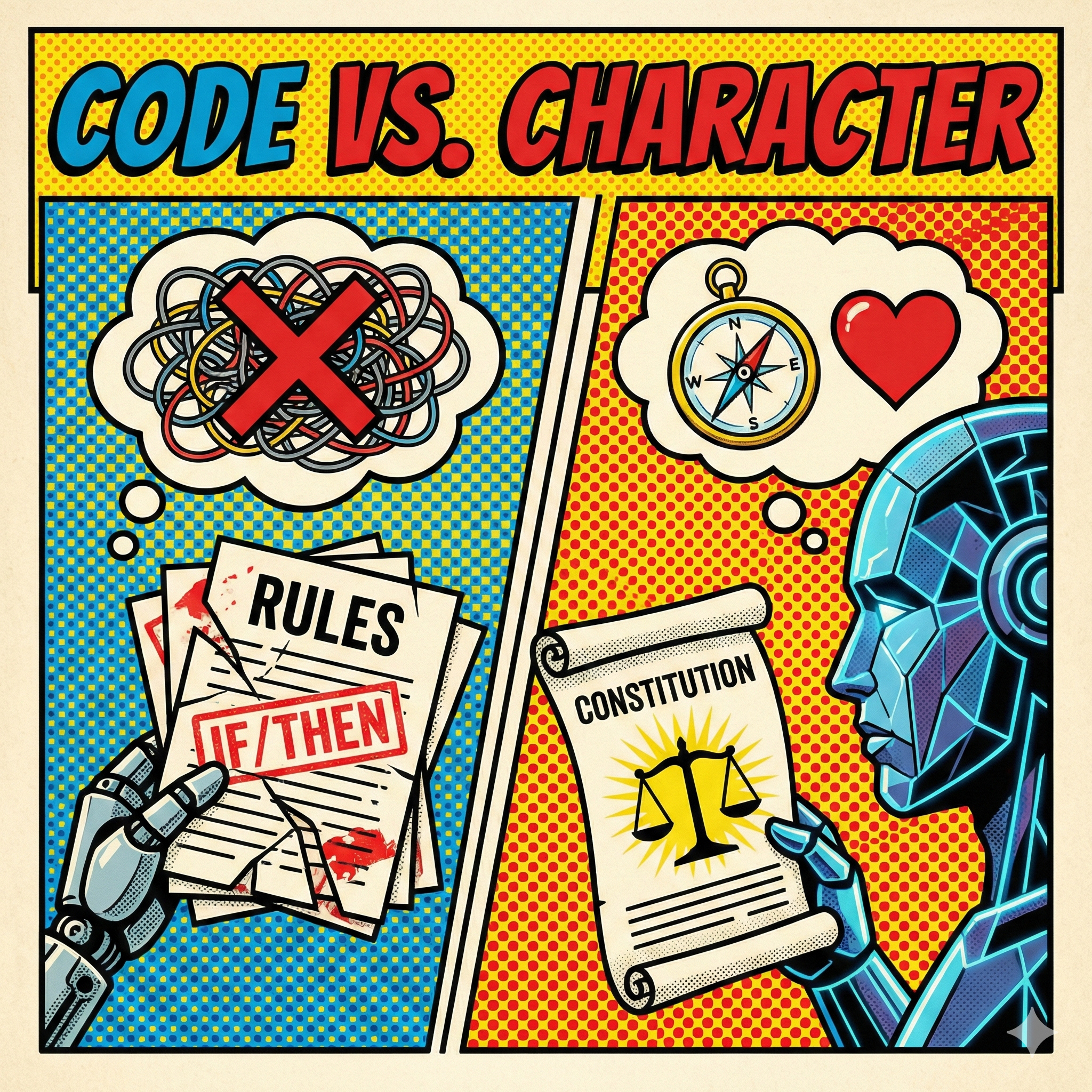
Code vs. Character: How Anthropic's Constitution Teaches Claude to "Think" Ethically
The challenge of AI safety often feels like playing Whac-A-Mole. A language model says something offensive, so engineers add a rule against it. Then it finds a workaround. So they add another rule. And another. Soon you have thousands of specific prohibitions. This approach treats AI safety like debugging software. Anthropic has taken a different path with Claude. Instead of programming an ever-expanding checklist of "dos and don'ts," they've given their AI something closer to a moral framework: a Constitution.
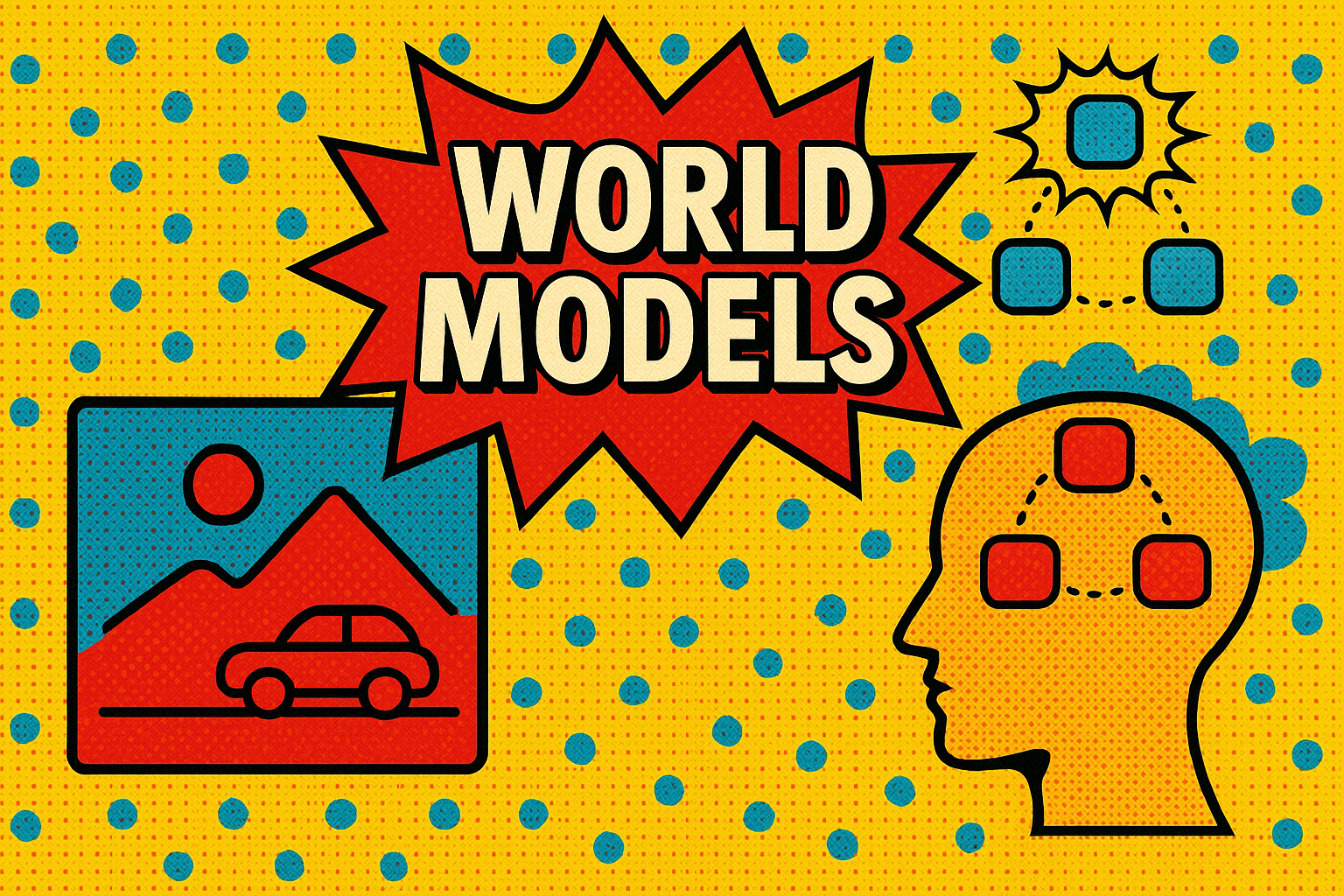
World Models: Teaching AI to Dream and Plan
What if AI could imagine possible futures before acting in the real world?
This isn't science fiction. It's happening right now through a breakthrough in artificial intelligence called world models. These systems allow AI agents to build internal simulations of their environment, testing different scenarios in their "minds" before making decisions in reality.
How MCP is Changing Enterprise AI Integration
The shift from isolated AI tools to fully integrated intelligent systems is accelerating. What once seemed like a distant vision of seamlessly connected AI workflows is becoming reality in forward-thinking businesses across industries. For years, integration challenges have been the primary bottleneck slowing enterprise AI adoption. Organizations have struggled with fragmented implementations, brittle API connections, and the inability to maintain context across different systems and workflows. The result has been a landscape of AI pilot projects that never scale and intelligent tools that operate in silos, unable to deliver on their transformative promise.
The Model Context Protocol (MCP) is becoming a key enabler for scalable, flexible, and context-aware AI integration in the enterprise. This new standard is changing how organizations think about connecting AI models to their business systems, promising to unlock the full potential of enterprise AI at scale.