
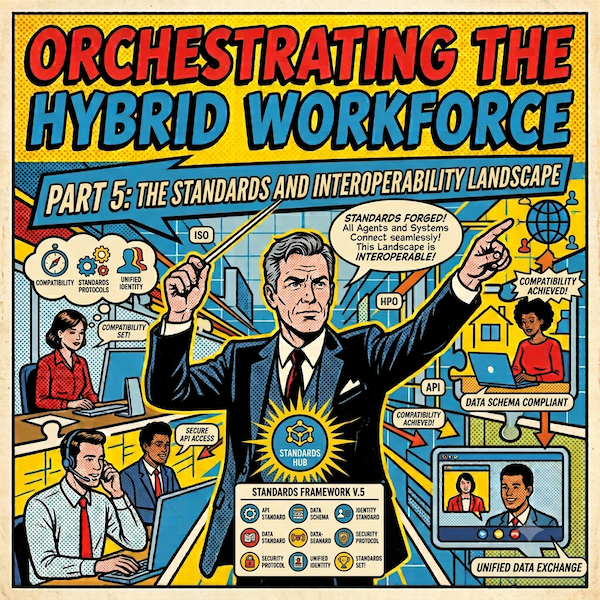
Orchestrating the Hybrid Workforce, Part 5: The Standards and Interoperability Landscape
Open standards for agent communication are reshaping the orchestration landscape, and the window for strategic positioning is closing. In this fifth article of "Orchestrating the Hybrid Workforce," we map the protocol stack that will define how AI agents communicate for the next decade. The Model Context Protocol (MCP), now exceeding 400 million monthly SDK downloads with 22,000-plus servers and production deployments at Block, Uber, Bloomberg, and Morgan Stanley, has become the de facto standard for agent-to-tool integration. Google's Agent-to-Agent Protocol (A2A), at v1.0 with production support from Microsoft, AWS, Salesforce, SAP, and ServiceNow, solves the complementary agent-to-agent coordination problem. The Linux Foundation's Agentic AI Foundation has grown to 190 member organizations in six months, consolidating governance across both protocols. But adoption has outpaced security: over 40 CVEs filed against MCP implementations, 82 percent of file-handling servers vulnerable to path traversal, and the Cloud Security Alliance declaring an "MCP Security Crisis." The article examines the broader standards ecosystem (NIST's interoperability maturity model, emerging standards for agent discovery, payments, and authentication), the lock-in calculus (81 percent of C-level executives concerned about AI vendor dependency, 58 percent of migration attempts failing), and the one notable holdout (OpenAI does not support A2A despite co-founding AAIF). The Orchestration Playbook provides a standards readiness assessment, vendor evaluation scorecard weighted for interoperability, a security-first MCP implementation guide, an incremental agent control plane build path, and a framework for making lock-in a conscious business decision rather than an accidental consequence.
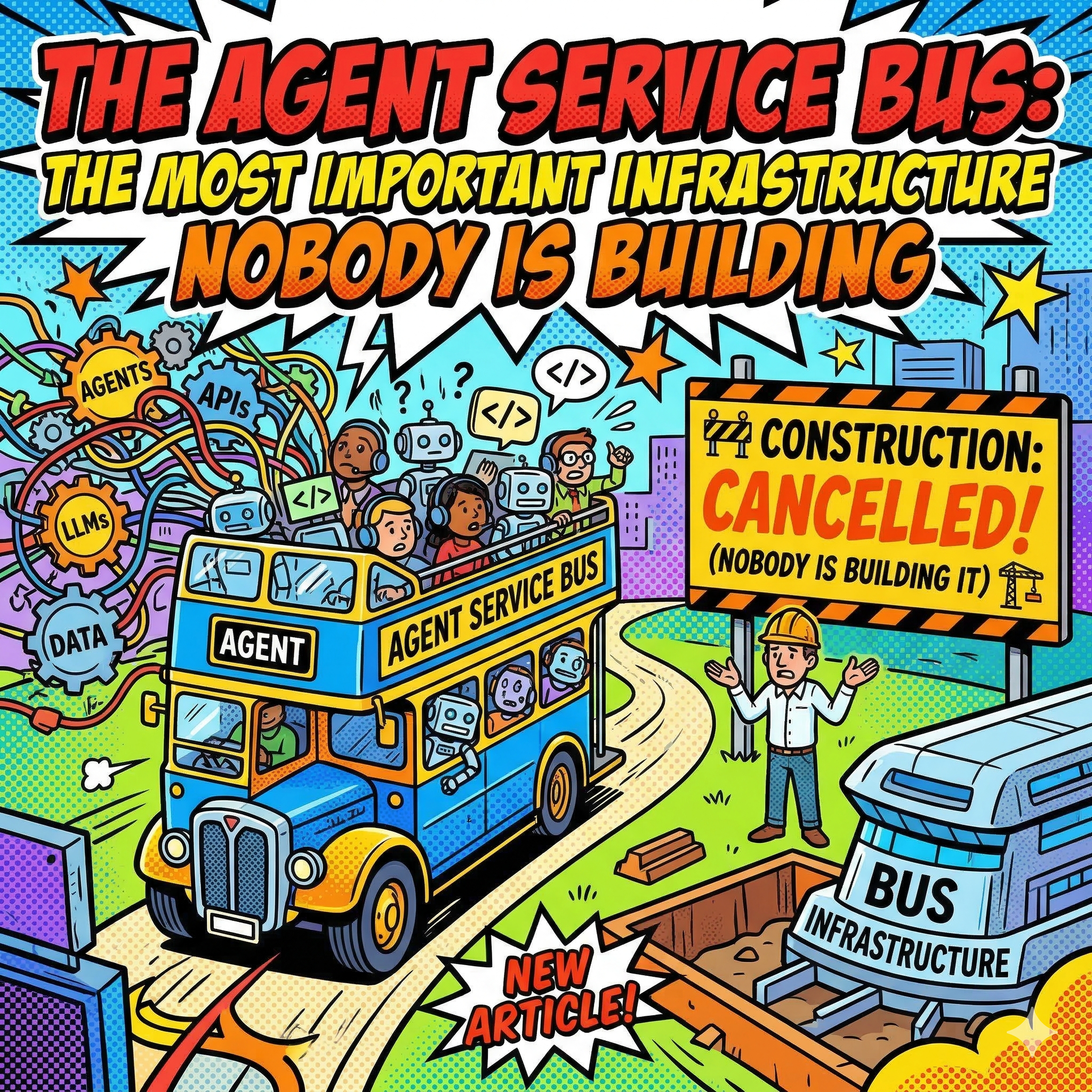
The Agent Service Bus: The Most Important Infrastructure Nobody Is Building
Everyone is talking about AI models and agent platforms. Almost nobody is talking about the infrastructure that makes agents actually work together. In this second article of Arion Research's "Future Enterprise" series, we examine the Agent Service Bus, the most strategically important layer in the enterprise AI stack and the one getting the least attention. We break down the five functions it must perform, assess where current protocols (A2A, MCP) fall short, and explore who will build the missing pieces.
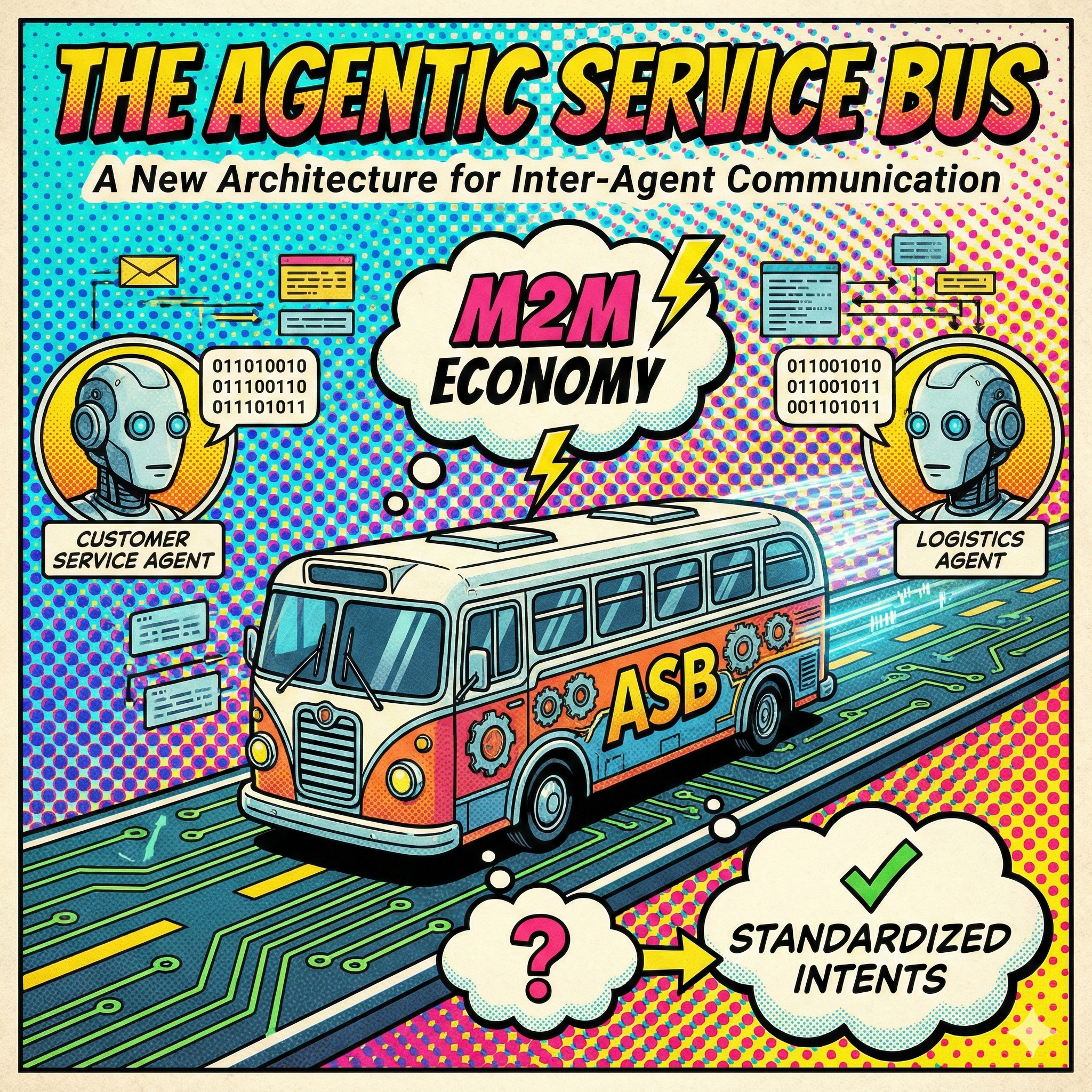
The Agentic Service Bus: A New Architecture for Inter-Agent Communication
As enterprises deploy more AI agents across their operations, a critical infrastructure challenge is emerging: how should these agents communicate with each other? The answer may reshape enterprise architecture as profoundly as the original service bus did two decades ago.